
6 Disadvantages of Studying MBBS in Russia for Indian Students
September 12, 2026
Every year thousands of Indian students look at the low tuition fees for MBBS in Russia and start packing their bags, but few sit down and honestly weigh the downsides first. Before you sign an admission letter, you need real answers about the disadvantages of studying mbbs in russia, not just the sales pitch about cheap degrees and no entrance exam pressure. Cold winters, language barriers, and questions around the FMGE clearance rate are things you will face for six years, not just read about once.
This article gives you a straight answer to what you are searching for: the six biggest drawbacks Indian students actually run into, from academic hurdles to lifestyle adjustments and post-return licensing challenges. We are not here to talk you out of Russia, just to make sure you go in with open eyes.
We cover everything from cultural and climate shocks to concerns about clinical exposure, university recognition gaps, and the return-to-India licensing process. As a consultancy that places students in NMC and WHO recognized Russian medical universities every year, we have seen firsthand which problems are genuine deal-breakers and which are manageable with the right preparation and support.
1. Adjusting to Russia’s harsh winters
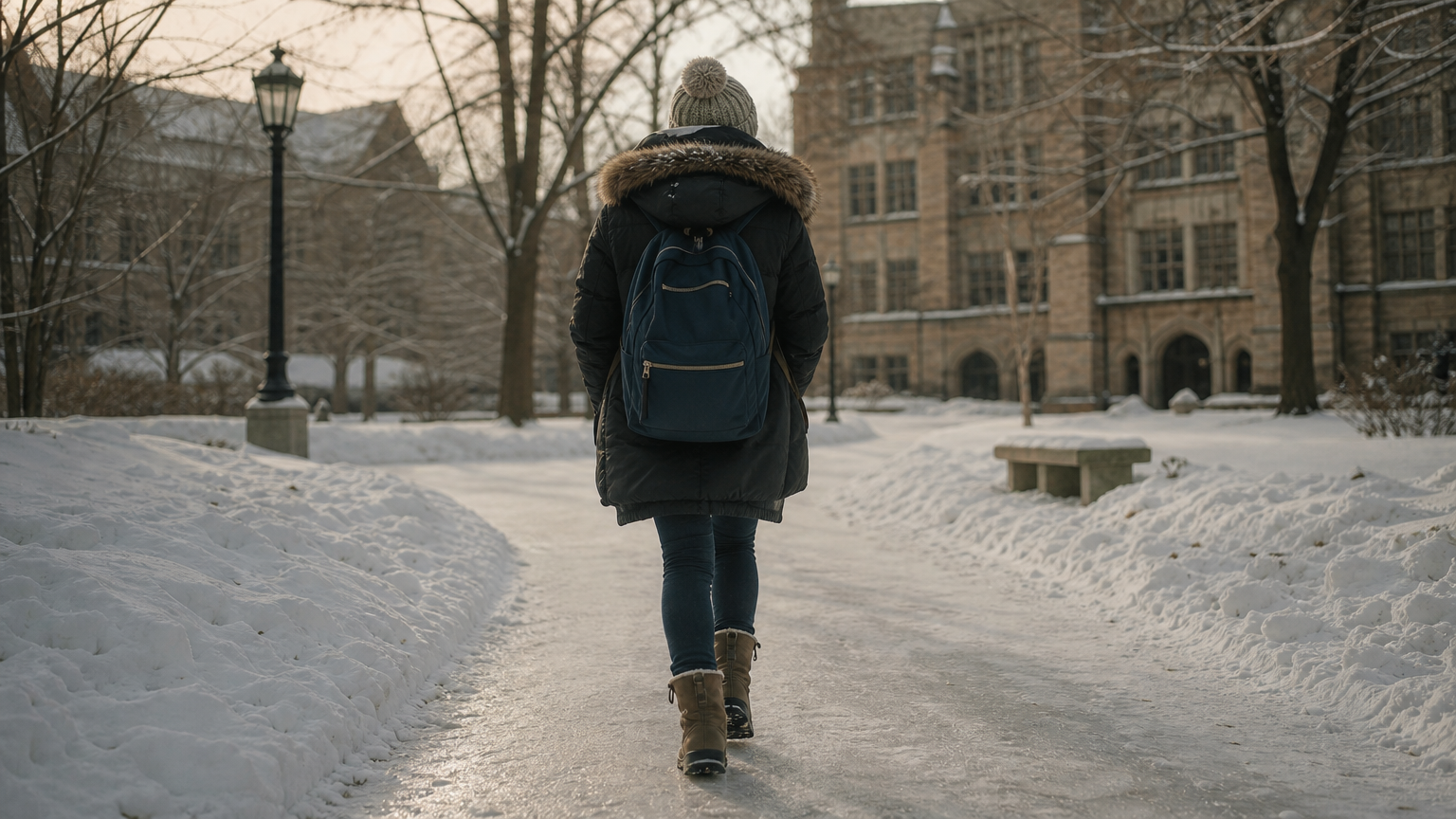
Most Indian students underestimate what a real Russian winter feels like until they land in Moscow or Novosibirsk in December. Temperatures regularly drop below minus 20 degrees Celsius in cities like Kazan and Ufa, and the daylight hours shrink to almost nothing by January. This is not a two-week cold snap, it lasts from late October through March, and it affects everything from your commute to campus to your motivation to study for a biochemistry exam.
What it means for you
For a student who grew up in Chennai or Kerala, the first Russian winter can feel physically punishing and mentally draining. You will deal with frozen pipes, icy sidewalks, and a body that has never needed a proper down jacket before. Seasonal low mood, sometimes linked to reduced sunlight, catches many students off guard during their first year, right when they are also adjusting to a new academic system.
Why it happens
Russia sits at a latitude where winter darkness and cold are simply part of the geography, not an unusual event. Universities do not shut down for weather, classes and clinical rotations continue as normal, so you cannot wait out the season indoors. Add limited indoor heating variability in older hostel buildings and unfamiliar food that does not always agree with an Indian palate, and the climate adjustment compounds with homesickness in the first semester.
The winter itself won’t fail you out of medical school, but arriving unprepared for it will cost you your first semester’s focus.
How to minimize the impact
A little preparation before departure removes most of the shock:
- Buy a proper thermal jacket, insulated boots, and layered thermals before you land, not after.
- Ask your university or agent, like RUSBASE, which hostels have reliable heating and hot water.
- Connect with senior Indian students in the same city before you arrive for practical, city-specific advice.
- Keep a stock of familiar spices and instant meals for the weeks when cooking feels like too much effort.
Students who plan for the cold, rather than reacting to it, settle into their routine within a month or two.
2. Russian language and faculty English barriers
Most MBBS programs in Russia advertise themselves as English-medium, but the reality on the ground is mixed. Lectures for years one and two often run in English, yet clinical years increasingly require you to talk with Russian-speaking patients and read case notes written in Cyrillic script. Even outside the hospital, buying groceries, dealing with hostel staff, or visiting a pharmacy means you need at least basic conversational Russian.
What it means for you
You cannot fully skip learning Russian and still expect a smooth clinical rotation. Some universities pair you with a translator during patient interactions in the early years, but by year four or five, that support usually disappears. Students who ignore the language barrier in Russia early on struggle later, when grades start depending on how well you communicate at the bedside.
Why it happens
Russian federal law requires patient communication and hospital documentation in Russian, regardless of what language the university teaches theory in. Faculty fluency in English also varies by university and by department, so a professor might teach a lecture in English but only answer questions comfortably in Russian.
A medical degree taught in English still requires you to practice medicine in Russian.
How to minimize the impact
Start a basic Russian language course before you even leave India, and continue mandatory Russian classes seriously once you arrive, since most universities include them in year one specifically to prepare you for this shift.
3. Uncertainty over course duration under NMC rules
The National Medical Commission has changed its internship and licensing rules more than once in the last decade, and each change ripples straight into your Russian MBBS timeline. What used to be a clean six-year path, five years of study plus one year of internship, now sometimes stretches longer depending on where you complete that internship and whether it counts toward your NMC registration.
What it means for you
You could finish your Russian degree on schedule and still find yourself waiting on clarity about whether your internship year needs to be repeated in India. This uncertainty makes it hard to plan your career timeline with confidence, especially if you were counting on a fixed graduation date to start FMGE preparation or job applications.
Why it happens
NMC rules are set in India, not Russia, so Russian universities cannot guarantee that today’s internship policy will still apply when you graduate. Regulatory bodies update requirements based on domestic priorities, not the convenience of students studying abroad.
Your degree is fixed the day you enroll, but the rules for using it back home can still change while you study.
How to minimize the impact
Work with an agent who tracks NMC circulars actively, and confirm your university’s internship structure meets current MBBS duration requirements before you sign anything.
4. Limited clinical exposure and disease mismatch
Russian hospitals treat Russian patients, and the disease patterns you see on rotation look nothing like what waits for you back in an Indian OPD. You will get plenty of practice with cardiovascular disease and trauma cases, but far less exposure to tropical illnesses like dengue, malaria, or the tuberculosis presentations common across Indian clinics.

What it means for you
Graduates often admit their clinical exposure gap shows up hardest during internship in India, when a senior doctor expects you to recognize a textbook dengue case instantly and you have simply never examined one. This is not a knowledge problem, it is a pattern-recognition problem that only comes from repeated bedside contact.
Why it happens
Curricula reflect the disease burden of the country you train in. Russian medical schools structure clinical rotations around local disease patterns, since that is what their teaching hospitals actually admit, and no university can manufacture patients it does not have.
A degree teaches you medicine in general, but your rotations teach you the diseases in front of you.
How to minimize the impact
Schedule voluntary clinical attachments or observerships in India during summer breaks, and study tropical medicine independently well before your internship year begins.
5. Inconsistent quality of education and FMGE results
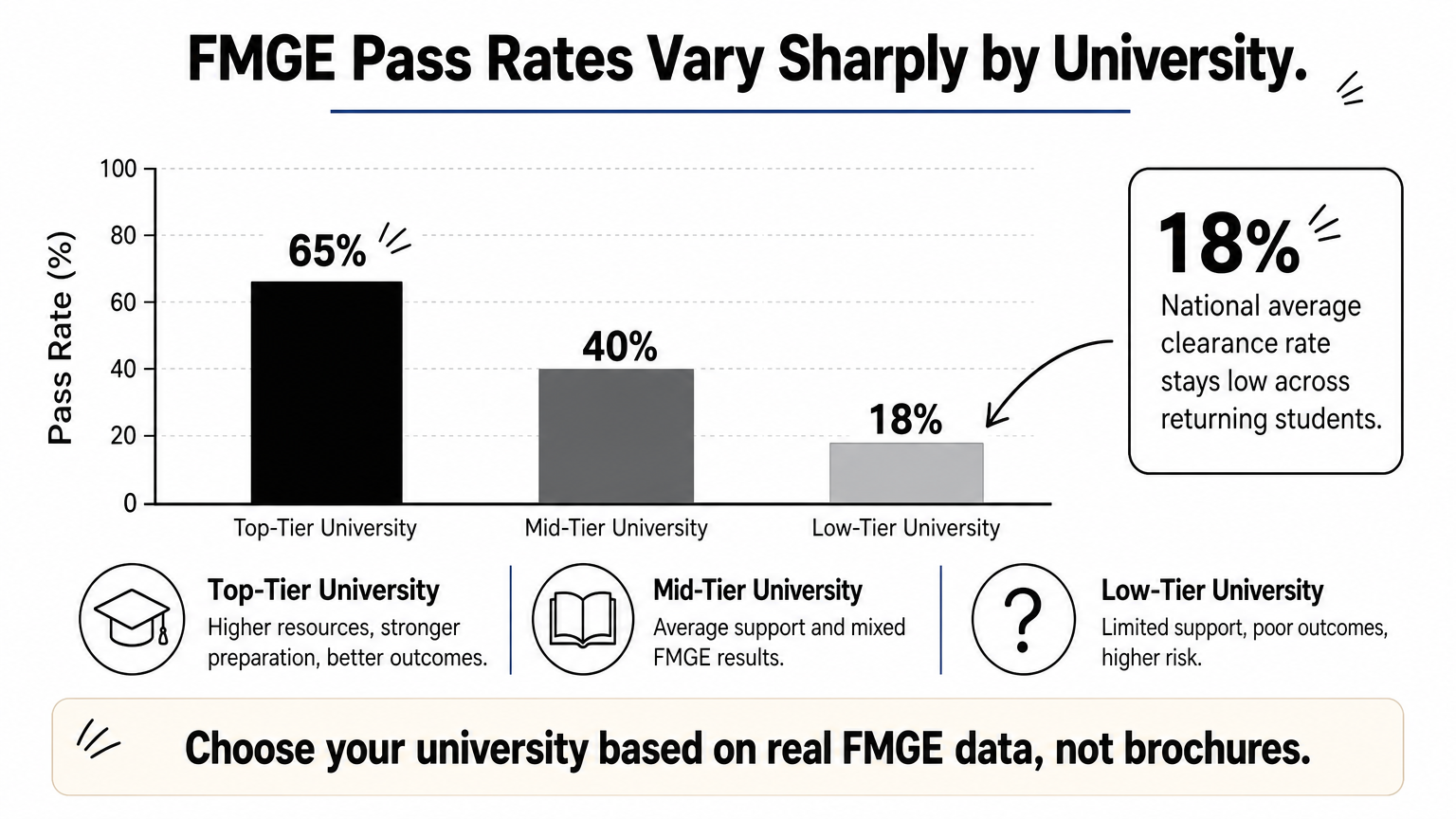
Not every Russian medical university delivers the same standard of teaching, despite similar marketing brochures. Some campuses run modern labs and active research programs, while others rely on outdated equipment and rotating faculty who barely stay a full academic year. This gap shows up later in a very concrete way: FMGE pass rates vary sharply depending on which university a student actually attended.
What it means for you
You could graduate with the same MBBS title as another Russian-trained doctor and still face very different odds at the Foreign Medical Graduate Examination. National data consistently shows a low FMGE clearance rate among returning students overall, and university choice is one of the biggest factors driving that gap.
Why it happens
Russia has no single national ranking system that Indian students can rely on before applying, so university reputation spreads mostly through word of mouth and agent recommendations, some accurate, some not.
Your MBBS certificate looks the same on paper regardless of university, but your FMGE result rarely does.
How to minimize the impact
Before enrolling, ask directly for a university’s recent FMGE pass percentages, not just its accreditation status, and compare at least three options side by side.
6. Risk of misleading agents and hidden costs
The study-abroad industry around Russian medical education is full of agents who quote a low headline fee, then add hostel charges, translation fees, and "processing costs" once you have already paid a deposit. Some agents also push you toward universities that pay them the highest commission, not the ones that actually fit your budget or academic goals. This is one of the more avoidable disadvantages of studying mbbs in russia, but it catches out students who skip due diligence during the agent-selection stage.
What it means for you
Parents often discover the real cost of a program only after arrival, when hidden charges push the total well past what was promised in the initial brochure. This kind of agent transparency problem creates financial stress right when a student needs to focus on academics.
Why it happens
Many agencies operate on commission structures tied to specific universities, so their advice reflects their payout, not your best interest. Without published, verifiable tuition fee transparency, students have no easy way to compare offers.
If an agent won’t show you the full fee breakdown before you apply, assume there’s a hidden cost waiting after you do.
How to minimize the impact
Work only with agents who publish tuition ranges upfront, like RUSBASE’s transparent pricing model, and ask for a written cost breakdown covering tuition, hostel, and visa fees before signing anything.
Weighing it all before you decide
None of these six problems should surprise you once you land in Russia, and none of them are reasons to abandon the plan outright. Winters, language gaps, shifting NMC rules, thin clinical exposure, uneven university quality, and agent tricks are all real, but every one of them is manageable if you plan for it before you sign an admission letter. Students who research their university’s FMGE track record, budget honestly for hidden fees, and start Russian lessons early rarely regret the decision.
What separates a smooth six years from a stressful one usually comes down to who guides you at the start. Choosing the right partner matters more than the low tuition number on a brochure, since a transparent admissions process protects you from most of what we’ve covered here. If you’re serious about avoiding these pitfalls, book a free consultation with RUSBASE and get honest answers before you commit to any Russian medical university.
Questions About Your Own Case?
Requirements depend on your nationality and subject. Ask us directly — free.
Book a Free Consultation