
Top 10 Russian Medical Universities for International Students
September 14, 2026
Picking one of the russian medical universities out of dozens of options is hard when every consultancy website shows a different top 10 list, half of them outdated or padded with schools that no longer matter for NMC screening. If you are comparing MBBS options because tuition in India, the US, or the UK feels out of reach, you need real numbers, not marketing copy.
This article gives you a straight answer: which Russian medical universities are actually worth applying to right now, based on NMC recognition, WHO listing, teaching quality in English, and genuine placement history, not just brand recall. We are not ranking by campus photos or vague reputation scores. We are ranking by what actually affects your future license to practice medicine.
Below you will find our top 10 list with tuition ranges from roughly $1,600 to $11,000 a year, the cities each university sits in, from Moscow and Saint Petersburg to Kazan and Ufa, and what makes each one stand out for students who need a fast, transparent, English-medium path to an MBBS degree without an IELTS or TOEFL score holding up the process.
1. Sechenov University, Moscow
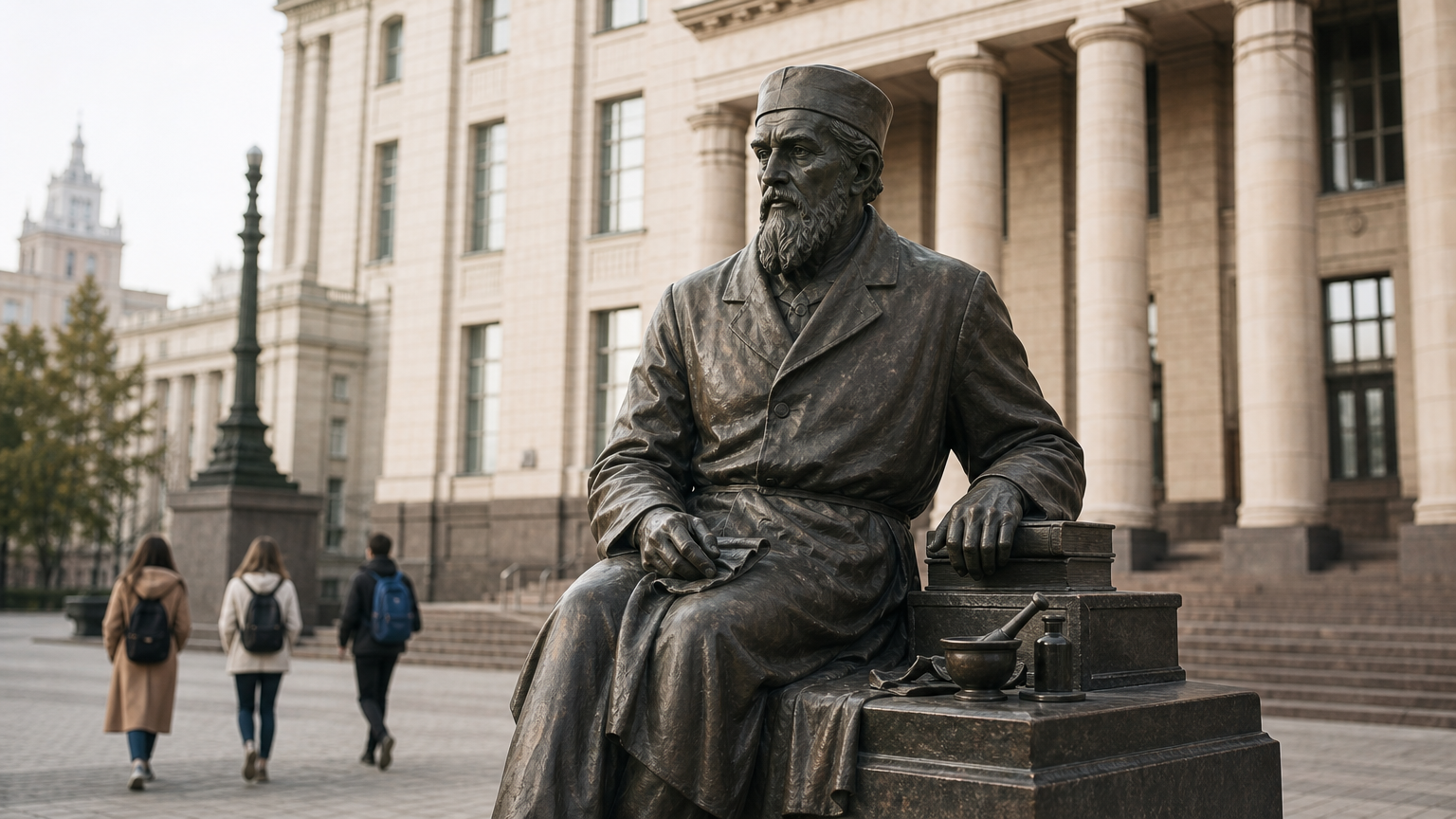
Sechenov University tops nearly every serious ranking of russian medical universities, and for good reason. Founded in 1758, it is the oldest and most established medical school in Russia, and it sits in Moscow, the country’s political and academic center. If you want a degree that carries weight beyond just satisfying NMC paperwork, this is the benchmark other schools get compared against.
World ranking and reputation
QS World University Rankings has placed Sechenov among the top 300 globally for medicine in recent cycles, a rare feat for a Russian institution and far ahead of most other options on this list. Its research output, hospital partnerships, and faculty credentials give it a reputation that extends well past Russia’s borders. Students who care about the world ranking of Russian medical universities as a factor in future residency applications abroad tend to gravitate here first.
Sechenov is the one Russian medical university whose name recognition works in your favor outside Russia, not just inside it.
Tuition fees and programs
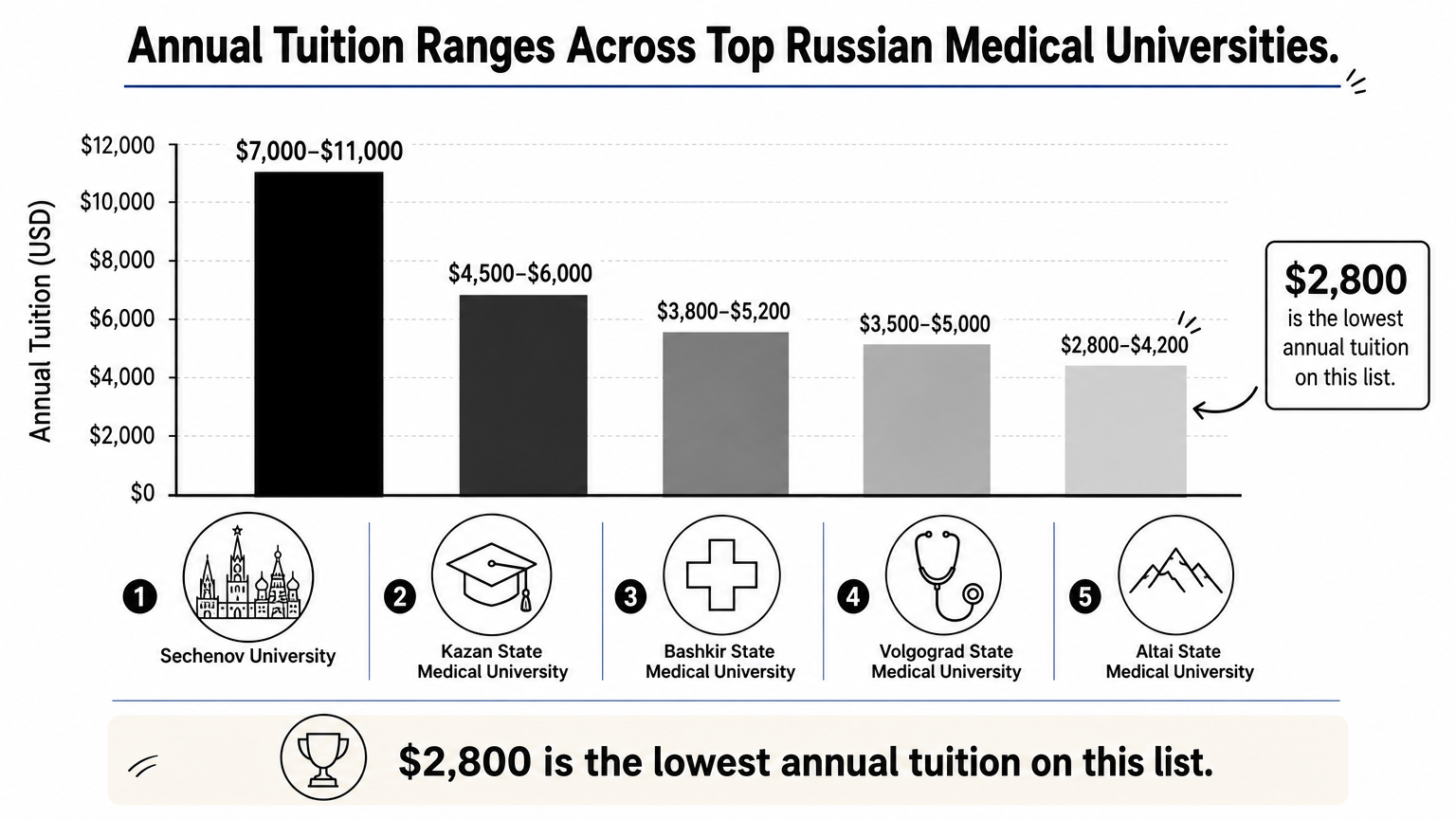
Tuition at Sechenov sits at the higher end of the Russian range, generally between $7,000 and $11,000 a year depending on the program and year of study, plus housing costs that run higher than in smaller cities. The university offers a 6-year MBBS-equivalent General Medicine program along with dentistry and pharmacy tracks. Compared to private medical colleges in India charging $15,000 to $25,000 a year, or Western schools well into six figures, Sechenov still represents genuine savings even at its premium Russian price point.
MCI/NMC recognition and English-medium teaching
Sechenov appears on the NMC’s approved list of foreign medical institutions, and its English-medium teaching has been running long enough that the curriculum, labs, and clinical rotations are built around non-Russian speakers from day one. You will still take mandatory Russian language classes for patient interaction during clinical years, but the core instruction stays in English throughout.
Who this university is best for
Sechenov suits students whose families can stretch to the $8,000 to $11,000 range and who want the strongest possible brand name on their diploma. It is not the budget pick on this list, but if reputation and long-term recognition matter more to you than saving another $3,000 a year, this is where you apply first.
2. Kazan State Medical University
Kazan State Medical University sits in Tatarstan, a republic with a distinct Tatar-Russian identity and one of the safest, most orderly cities in the country. Established in 1814, it ranks among the oldest medical schools in Russia and has built a strong regional reputation for producing doctors who go on to practice across South Asia and the Middle East. If your priority is a stable, well-run campus rather than a headline name, this school deserves a spot on your shortlist.
World ranking and reputation
Kazan doesn’t chase global rankings the way Sechenov does, but it holds a solid position among Russian institutions and appears consistently on independent lists ranking russian medical universities by graduate outcomes rather than prestige alone. Its teaching hospitals handle high patient volumes, which translates into more hands-on clinical exposure than smaller programs offer.
A university’s ranking matters less than whether its graduates actually pass licensing exams back home, and Kazan’s numbers hold up here.
Tuition fees and programs
Annual tuition runs roughly $4,500 to $6,000 for the six-year MBBS-equivalent program, comfortably mid-range and cheaper than Moscow or Saint Petersburg options.
MCI/NMC recognition and English-medium teaching
Kazan features on the mci approved russian medical universities roster and runs a fully English-medium curriculum for international students, with Russian language support built into the first year.
Who this university is best for
Choose Kazan if you want dependable teaching quality without Moscow-level costs or crowds.
3. Bashkir State Medical University
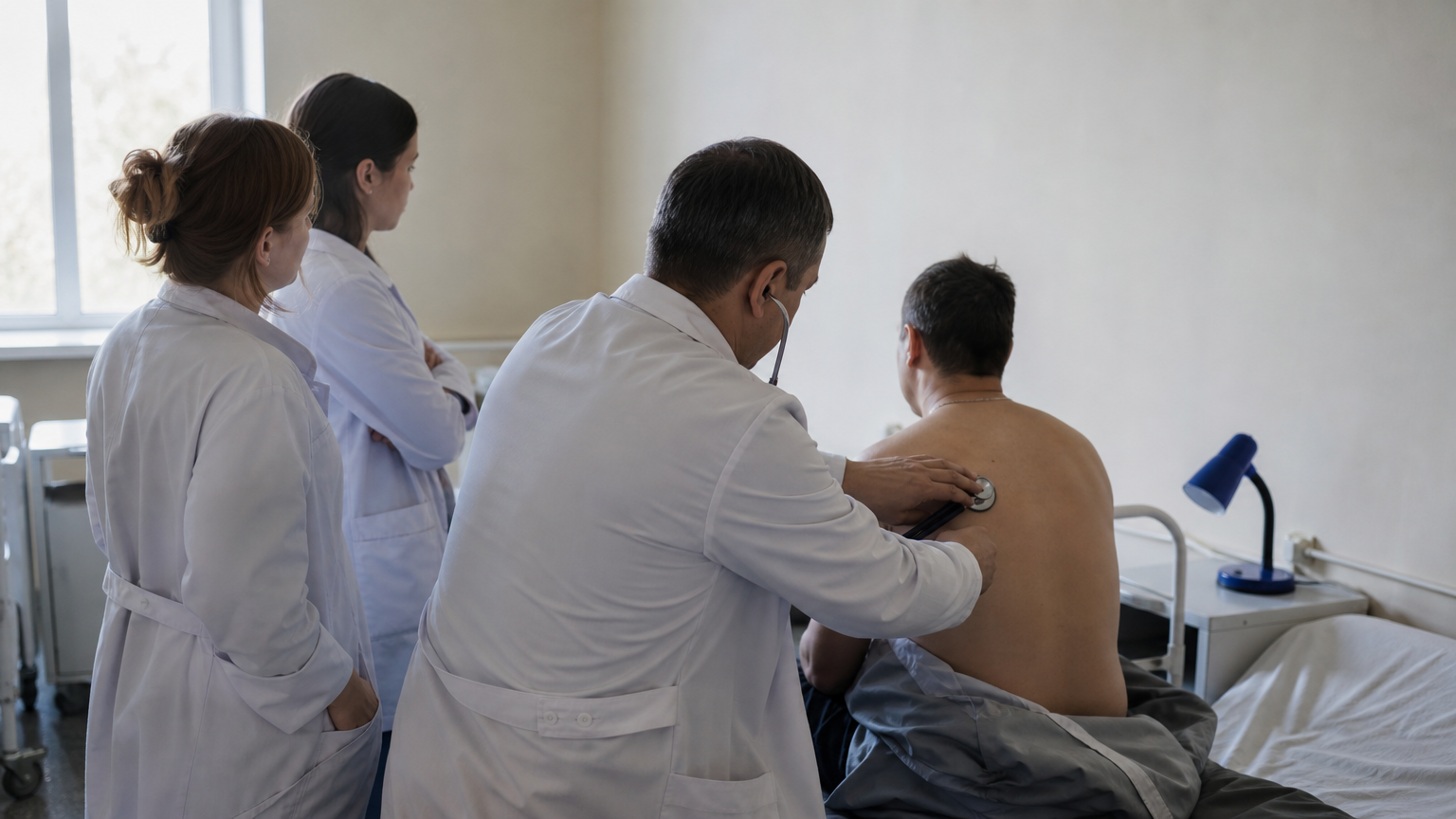
Bashkir State Medical University sits in Ufa, the capital of Bashkortostan, a city that gets overlooked by students who only know Moscow and Saint Petersburg by name. Founded in 1932, it has grown into one of the busiest medical training centers in the Volga region, with a hospital network large enough to give students genuine clinical hours instead of watching from the back of a lecture hall.
World ranking and reputation
Globally, Bashkir doesn’t chase QS or Times Higher Education rankings, and it doesn’t need to. Within Russia, it holds a respected position among russian medical universities for producing graduates who clear licensing exams in India, Nigeria, and Egypt at rates that match or beat schools with flashier names.
A university’s clinical hospital access matters more to your future practice than its position on a global prestige chart.
Tuition fees and programs
Annual fees run around $3,800 to $5,200 for the six-year General Medicine track, placing Bashkir firmly in the budget-friendly half of this list without cutting corners on lab access or faculty ratios.
MCI/NMC recognition and English-medium teaching
Bashkir appears on the current NMC recognised Russian medical universities list, and its English-medium teaching covers all core subjects from year one, with Russian classes running alongside for ward communication.
Who this university is best for
Students on a tight budget who still want serious hospital exposure will find Ufa hard to beat, and RUSBASE can walk you through the full application timeline for this campus.
4. Crimea Federal University Medical Academy
Crimea Federal University’s Medical Academy sits in Simferopol, the peninsula’s administrative center, and traces its roots back to 1918. Compared to Ufa or Kazan, this campus is smaller, but its teaching hospitals handle a steady flow of patients from across the region, giving students consistent bedside exposure. If you want a quieter city with lower living costs than Moscow, Crimea offers that trade-off directly.
World ranking and reputation
Globally, this academy doesn’t chase QS or Times rankings, and its regional standing matters more than any worldwide table here. Within lists of russian medical universities, it holds a modest but stable position, valued more for consistent graduate outcomes than for research output or international press.
A quiet campus with strong hospital access can prepare you for licensing exams just as well as a famous name with a crowded lecture hall.
Tuition fees and programs
Expect annual tuition between roughly $3,200 and $4,800 for the six-year General Medicine program, among the more affordable options on this list. Housing and daily costs in Simferopol also run lower than in Moscow or Saint Petersburg, stretching a limited family budget further over six years.
MCI/NMC recognition and English-medium teaching
The academy appears on the current NMC-approved roster, and instruction runs in English medium from year one. Worth noting: because Crimea’s political status remains disputed internationally, some embassies process visas and paperwork differently here, so confirm current travel logistics before committing.
Who this university is best for
Students prioritizing low costs and hands-on hospital time over a well-known city name will find this campus a solid, budget-conscious fit.
5. Volgograd State Medical University
Volgograd State Medical University sits in the city once known as Stalingrad, a historically significant industrial center on the Volga river with a much lower cost of living than Moscow or Saint Petersburg. Founded in 1935, the university has built a strong track record in surgical training, and its attached clinics see enough trauma and general medicine cases to keep students genuinely busy during clinical years rather than sitting idle.
World ranking and reputation
Volgograd doesn’t feature in global QS or Times rankings, but among russian medical universities favored by agencies working with Indian and African students, it holds a steady, well-regarded position. Its reputation comes from consistent NEXT and FMGE pass rates rather than international press coverage.
A steady exam pass rate year after year tells you more about a university than any single ranking snapshot ever will.
Tuition fees and programs
Annual tuition for the six-year General Medicine program runs roughly $3,500 to $5,000, keeping Volgograd comfortably in the affordable bracket. Hostel accommodation adds relatively little on top, since the city’s overall cost of living stays lower than Russia’s two capital cities.
MCI/NMC recognition and English-medium teaching
Volgograd sits on the current NMC-approved list, and its English-medium program has run long enough that faculty are used to teaching non-native speakers without slowing the curriculum down.
Who this university is best for
Students who want strong clinical hours, a lower cost of living, and a proven exam track record should put Volgograd near the top of their shortlist.
6. Orenburg State Medical University
Orenburg State Medical University sits near the border with Kazakhstan, in a city that rarely shows up on a study-abroad shortlist until students actually start comparing tuition sheets. Founded in 1944, the university has built its reputation on steady clinical training rather than global marketing, and it draws a growing number of international students who want a smaller campus without sacrificing hospital access.
World ranking and reputation
Orenburg doesn’t appear in QS or Times Higher Education tables, and it doesn’t market itself that way. Among russian medical universities ranked by agencies working directly with Indian and African applicants, it holds a dependable middle position, known for consistent graduate outcomes rather than research headlines or a famous alumni list.
A university’s exam pass rate tells you far more about your future than its spot on a global prestige chart ever will.
Tuition fees and programs
Annual fees for the six-year General Medicine program run roughly $3,000 to $4,500, placing Orenburg among the more affordable choices on this list. Living costs in the region stay low too, which matters over a six-year commitment.
MCI/NMC recognition and English-medium teaching
Orenburg sits on the current NMC-approved roster, and its English-medium curriculum runs from first year onward, with Russian language classes added for ward communication during clinical rotations.
Who this university is best for
Budget-conscious students who want a smaller, quieter campus with real hospital exposure should shortlist Orenburg early.
7. Altai State Medical University
Altai State Medical University sits in Barnaul, a Siberian city far from the usual Moscow-Saint Petersburg circuit, and that distance is exactly why fewer students know about it. Founded in 1954, the university has spent decades building a regional hospital network that gives students steady clinical exposure without the competition for beds you find in bigger cities. Families researching russian medical universities for international students on a tight timeline often overlook Barnaul simply because it doesn’t come up in casual conversation.
World ranking and reputation
Globally, Altai stays off QS and Times tables entirely, and that’s fine, since its value comes from graduate outcomes rather than prestige rankings. Within agency lists tracking russian medical universities ranking by NEXT and FMGE results, Altai holds a quietly solid position, particularly for students from Central Asia and South Asia.
A university you’ve never heard of can still turn out doctors who pass every exam that matters back home.
Tuition fees and programs
Expect annual fees between roughly $2,800 and $4,200 for the six-year General Medicine program, among the cheapest on this list once you factor in Barnaul’s low cost of living.
MCI/NMC recognition and English-medium teaching
Altai appears on the current NMC-recognized roster, and its English-medium instruction runs consistently from year one, with Russian added for clinical-year ward work.
Who this university is best for
Students chasing the lowest possible total cost, and comfortable with a small Siberian city, should shortlist Altai without hesitation.
8. Kursk State Medical University
Kursk State Medical University sits in Kursk, a mid-sized city in western Russia known more for its World War II history than for student nightlife, which suits applicants who want fewer distractions during six years of coursework. Founded in 1935, the university has built a strong pharmacology and biomedical research base, and its teaching hospitals give students consistent access to real patients rather than simulation labs alone. Anyone building a list of Russian medical universities worth serious consideration should not skip Kursk just because it lacks Moscow’s name recognition.
World ranking and reputation
Globally, Kursk stays off QS and Times Higher Education tables, but among agency-compiled rankings that track russian medical universities ranking by graduate exam performance, it holds a respectable, stable position. Its research output in pharmacology draws attention within Russia even without international press coverage.
A university’s research strength inside its own borders can matter more to your training than a name that only sounds impressive abroad.
Tuition fees and programs
Annual tuition for the six-year General Medicine program runs roughly $3,000 to $4,600, keeping Kursk squarely in the affordable range once you add the region’s low cost of living.
MCI/NMC recognition and English-medium teaching
Kursk appears on the current NMC-approved roster, and its English-medium teaching covers every core subject from year one, with Russian language classes layered in for clinical communication.
Who this university is best for
Students drawn to research-heavy training and a calm, low-cost city should put Kursk on their shortlist.
9. Rostov State Medical University
Rostov State Medical University sits in Rostov-on-Don, a major hub in southern Russia close to the Black Sea coast, giving it a milder climate than the Siberian and Volga cities on this list. Founded in 1930, the university has grown into one of the largest medical training centers in the region, with a hospital network that handles a genuinely high patient volume. Anyone compiling a russian medical universities list for warmer-climate options should give Rostov a serious look before defaulting to the usual Moscow shortlist.
World ranking and reputation
Rostov doesn’t appear on QS or Times Higher Education tables, and it isn’t trying to. Among agency-tracked rankings that measure russian medical universities ranking in the world by graduate exam pass rates rather than prestige, Rostov holds a steady, respectable position, particularly among students from South Asia and the Middle East.
A milder climate and a busy teaching hospital can matter more to your six-year experience than a name recognized abroad.
Tuition fees and programs
Annual tuition for the six-year General Medicine program runs roughly $3,200 to $4,800, keeping Rostov comfortably mid-range once you factor in the region’s moderate cost of living.
MCI/NMC recognition and English-medium teaching
Rostov appears on the current NMC-approved roster, and its English-medium program runs consistently from year one, with Russian language support added for clinical rotations.
Who this university is best for
Students who want a warmer climate, a large hospital network, and dependable exam outcomes should shortlist Rostov early.
10. North-Western State Medical University, St. Petersburg
North-Western State Medical University sits in Saint Petersburg, Russia’s cultural capital, giving students access to a genuinely international city rather than a quiet regional town. Named after Ilya Mechnikov and formed through a 2011 merger of two established medical schools, it carries a longer academic pedigree than most universities on this russian medical universities list. If you want the Moscow-level city experience without Sechenov’s price tag, this campus fills that gap.
World ranking and reputation
North-Western doesn’t crack the QS or Times Higher Education tables, but within Russia it holds a strong reputation for postgraduate medical training and continuing education, a legacy of its original mission. Among agency rankings tracking russian medical universities ranking by clinical exposure and city infrastructure, it consistently places above smaller regional schools.
A major city with strong hospitals gives you clinical variety that a small town simply cannot match.
Tuition fees and programs
Annual tuition for the six-year General Medicine program runs roughly $5,500 to $7,500, higher than Volga or Siberian schools but well below Sechenov, reflecting Saint Petersburg’s higher, though still manageable, cost of living.
MCI/NMC recognition and English-medium teaching
The university appears on the current NMC-approved roster, and its English-medium teaching runs across all core years, with Russian added for ward-level patient communication.
Who this university is best for
Students who want a big-city experience, strong hospital access, and mid-range costs should put Saint Petersburg, and this university, high on their shortlist.
Finding the right fit for your medical journey
Ten universities, ten different price points and cities, but the same core requirement running through every one: NMC recognition and genuine English-medium teaching from year one. Sechenov gives you the strongest name if your budget stretches to $8,000 or more. Kazan, Bashkir, and Volgograd give you nearly the same license outcome for half the cost. The right pick depends on your budget, your tolerance for a smaller city, and how much weight you place on brand name versus proven exam pass rates.
Don’t build this decision on outdated blog posts or a consultancy quoting different tuition figures every time you ask. Get the current fee sheet, confirm the visa timeline, and talk to someone who actually works on the ground in Russia. Book a free consultation with RUSBASE and get a shortlist matched to your budget and subject before you commit to a single application.
Questions About Your Own Case?
Requirements depend on your nationality and subject. Ask us directly — free.
Book a Free Consultation