Lomonosov Moscow State University Medicine: Programs and Admissions
September 28, 2026
If you’re researching Lomonosov Moscow State University medicine programs, you’ve probably noticed that reliable details are hard to find. Most sources repeat the university’s prestige without explaining what actually matters: entry requirements, tuition, teaching language, and whether your future degree will be recognized back home. That gap leaves students from Algeria and beyond guessing about a decision worth tens of thousands of dollars.
This article answers those questions directly. You’ll get a clear picture of the Faculty of Fundamental Medicine, its curriculum structure, and how admissions actually work for international applicants, not just the marketing version. We cover entry requirements and timelines so you know exactly what documents and scores you need before you apply.
We also put MSU’s medical program in context against other Russian universities offering WHO-recognized medical degrees, since MSU isn’t always the cheapest or fastest route into Russian medical education. As advisers who place students in 24+ partner universities across Russia, we’ve seen where MSU fits best and where a different city or budget makes more sense. By the end, you’ll know whether Lomonosov Moscow State University is the right choice for your medical career.
Why study medicine at Lomonosov Moscow State University
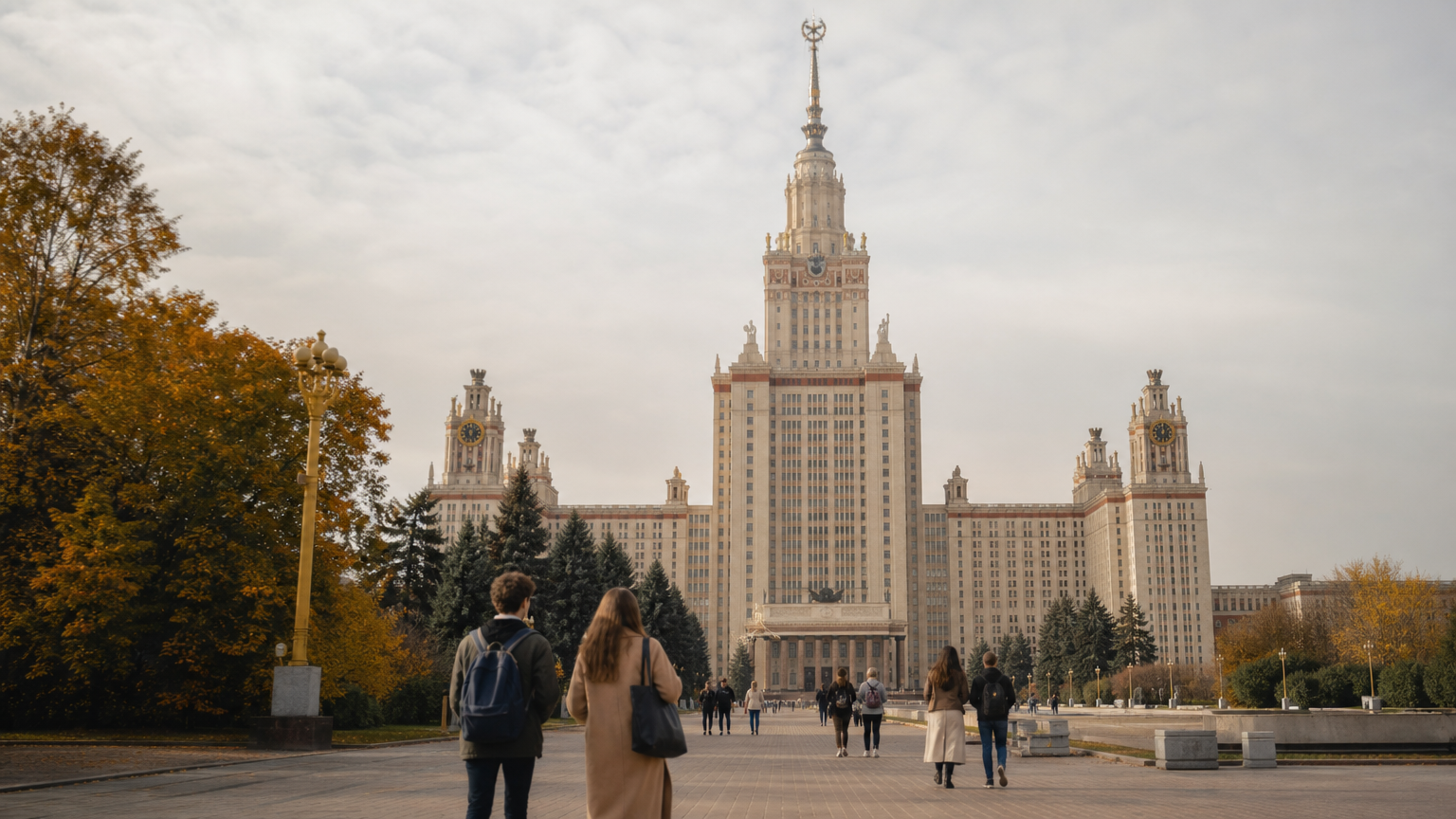
Lomonosov Moscow State University is Russia’s oldest and most recognized university, founded in 1755, and its name still opens doors that newer institutions can’t. For a medical applicant, that reputation isn’t just about prestige on paper. MSU consistently ranks among the top universities in Russia and appears in global rankings like QS World University Rankings, which matters if you plan to work internationally or apply for further study after graduation. Students who choose MSU are often betting on the university’s name carrying weight with employers and licensing boards back home, and in most cases, that bet pays off.
Recognition is the part most articles skip, and it’s the part that actually determines whether your degree is worth anything once you graduate. MSU’s medical program is listed in the WHO World Directory of Medical Schools, and graduates from WHO-listed programs are eligible to sit licensing exams in most countries, including India’s NMC screening test. If you’re comparing Russian medical universities specifically because you need NMC recognition, MSU checks that box, but so do the vast majority of Russia’s other 50-plus medical faculties. The name on your diploma matters less to licensing boards than the WHO listing itself.
A prestigious university name only matters if the degree behind it is recognized where you plan to practice.
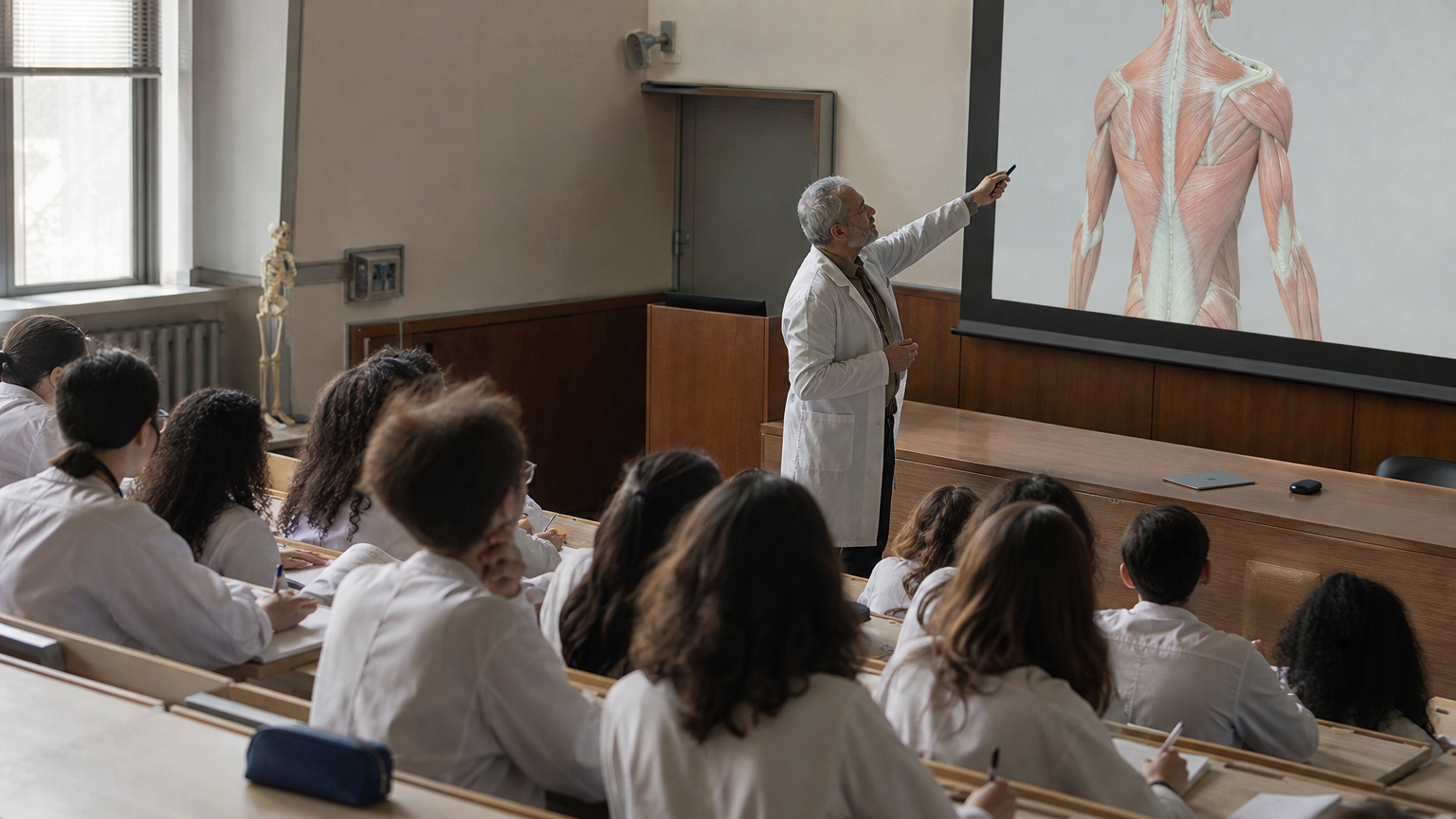
Inside the Faculty of Fundamental Medicine, the curriculum leans heavily on research and academic rigor rather than pure clinical volume. The program runs six years, split between preclinical sciences in the early years and clinical rotations later on, following the same general structure used across Russian medical education. What sets MSU apart is class size and access to faculty. Groups tend to be smaller than at some of the larger provincial medical universities, and the university’s research infrastructure gives students exposure to labs and specialists that aren’t always available elsewhere. If you want a program with a strong academic reputation and you’re comfortable with a more competitive, research-driven environment, this faculty delivers on that.
Moscow itself is part of the appeal and part of the tradeoff. Living in the capital means better transport, more international student communities, and easier access to embassies and consular services for visa matters. On the other hand, Moscow’s cost of living runs noticeably higher than Kazan, Ufa, or Novosibirsk, and MSU’s tuition sits above the national average for medical programs. Choosing MSU means paying a premium for the city and the brand, not necessarily for better clinical training, since WHO recognition and teaching quality vary less across universities than people assume.
So who should actually apply here? MSU makes sense if you have the budget for Moscow-level costs, you value the university’s academic prestige for future career moves, and you’re not solely optimizing for the lowest possible tuition. If budget is your main constraint, it’s worth comparing MSU against other WHO-recognized options before committing, since our full list of tuition and living costs across 24+ partner universities shows several cities where the same medical degree costs considerably less without sacrificing WHO or NMC recognition.
How to apply to the medical program
Applying to MSU’s medical faculty as an international student follows a process that’s more paperwork-heavy than most applicants expect, and missing a single document can delay your intake by a full semester. Direct applications to MSU go through the university’s international admissions office, but most students from Algeria, India, and other non-CIS countries work through an agency because the university rarely responds quickly to individual inquiries, and its English-language support for admissions questions is limited compared to smaller medical universities.
Documents and eligibility
Before you submit anything, gather the paperwork MSU expects from foreign applicants. Required documents typically include:
- Notarized copy of your secondary school certificate with translated grades
- Passport copy valid for at least 18 months
- Medical certificate confirming fitness to study
- HIV test certificate (mandatory for Russian student visas)
- Passport-style photographs
- Completed application form and motivation letter
Most Russian medical faculties, MSU included, don’t require IELTS or TOEFL scores for admission, since the preparatory year covers Russian language training before clinical coursework begins in Russian for many programs, or English-medium tracks where available. Confirm which teaching language applies to your specific intake year, because this detail changes year to year and directly affects whether you’ll need a preparatory language year first.
Skipping IELTS doesn’t mean skipping preparation. It means the language training happens after you arrive, not before.
Timeline and submission
The practical part of applying is timing. MSU’s own review process can take longer than smaller universities because of application volume, so build in buffer time if you’re targeting a September intake. A realistic sequence looks like this:
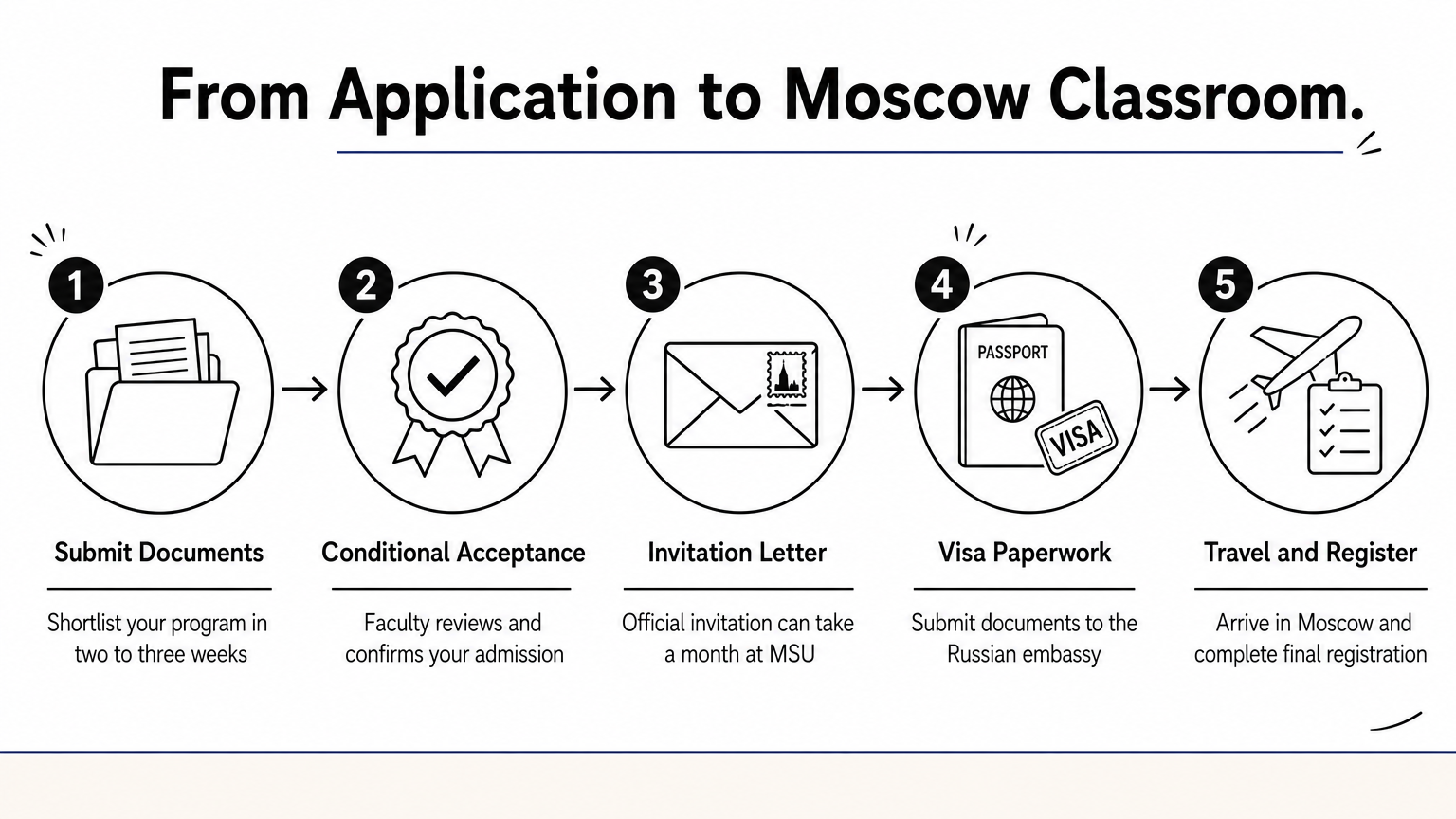
- Submit documents and shortlist your program (2 to 3 weeks)
- Receive conditional acceptance from the faculty
- Apply for the official invitation letter needed for your student visa (this step alone can take a month at MSU)
- Submit visa paperwork to the Russian embassy in your home country
- Travel and complete final registration in Moscow
Compare that to the 7 working days for admission and 30 working days for an official invitation that partner universities in our network typically deliver, and you’ll see why some students choose a faster-processing city over MSU specifically to avoid missing an intake deadline. If speed matters as much as prestige, that timeline difference is worth weighing before you commit.
Programs, faculties, and course structure
Medicine at Lomonosov Moscow State University sits inside the Faculty of Fundamental Medicine, which is separate from the university’s other science faculties even though it shares the same central administration. General Medicine (the equivalent of an MD track) is the main program international students apply for, and it runs as a single six-year specialist degree rather than the bachelor’s-plus-master’s split common in Western systems. Fundamental Medicine here means the curriculum front-loads biochemistry, anatomy, and physiology before clinical rotations begin, which suits students who want a strong theoretical base before they touch patient care.
Course structure follows a familiar Russian pattern once you compare it against other universities in our network, but the pacing at MSU tends to be slower and more exam-heavy in the first three years.
| Year | Focus |
|---|---|
| 1-2 | Preparatory language/science year, anatomy, biochemistry, histology |
| 3-4 | Pathology, pharmacology, general clinical propaedeutics |
| 5-6 | Clinical rotations, internal medicine, surgery, state exams |
A six-year MD structure is standard across Russia; what changes between universities is how much clinical exposure you get before year five.
Rotations happen mostly in Moscow’s affiliated teaching hospitals, and access to those hospitals is one genuine advantage of studying here. Bigger city, bigger hospital network, more subspecialties to observe. That said, clinical group sizes at MSU can run larger in the later years than at smaller medical universities, simply because Moscow attracts more applicants overall.
Degree recognition doesn’t change based on which year structure you follow, since the WHO listing covers the full program, not individual course modules. Still, if you’re weighing MSU against a faculty with more hands-on clinical hours earlier in the program, that’s a legitimate factor to raise during your consultation, not something to assume works the same everywhere. Our advisers walk through the exact year-by-year structure for each partner university on a free WhatsApp consultation, since course structure differences matter more than most rankings suggest once you’re the one sitting in a 90-student lecture hall instead of a 30-student one.
Tuition fees and living costs for international students
Money is usually the deciding factor once the prestige conversation is out of the way, and MSU’s medical program sits firmly on the expensive end of Russian medical education. Annual tuition for the Faculty of Fundamental Medicine typically runs higher than at regional universities in Kazan, Ufa, or Novosibirsk, and that gap compounds over six years into a difference of thousands of dollars. If you’re comparing Lomonosov Moscow State University medicine tuition against other WHO-recognized programs, the number alone tells you MSU is priced as a premium option, not a budget one.
Living costs follow the same pattern. Moscow rent, food, and transport all cost more than in smaller Russian cities, and international students rarely escape that reality by living far from campus, since commute times in Moscow can eat hours out of an already demanding study schedule. Housing near MSU’s campus, whether in a dormitory or private apartment, generally costs more per month than equivalent housing in Kazan or Ufa.
Moscow’s medical prestige comes with Moscow’s price tag, and that tradeoff deserves as much thought as the ranking does.
Comparing MSU against other Russian cities
Here’s how the rough annual costs stack up against partner universities in other cities, based on the published pricing we track across our 24+ partner institutions:
| City | Approx. annual tuition (USD) | Approx. annual living costs (USD) |
|---|---|---|
| Moscow (MSU) | Higher end of the national range | Highest among partner cities |
| Saint Petersburg | Upper-middle range | High, slightly below Moscow |
| Kazan | Mid-range | Moderate |
| Ufa | Lower-middle range | Lower |
| Novosibirsk | Lower end | Lowest among partner cities |
Budgeting for six years of medical school in Russia means looking past year-one tuition and projecting the full program cost, including annual increases some universities apply. Novosibirsk and Ufa consistently come out cheaper across the full six-year run, even after accounting for MSU’s stronger hospital access and name recognition. We publish the actual current tuition and housing figures for every partner university, including MSU, on our university cost comparison page, so you can run the six-year math yourself before deciding whether the Moscow premium is worth paying for your specific budget and career goals.
Planning your next step toward medical school in Moscow
Lomonosov Moscow State University offers a genuine academic advantage: strong hospital access, a research-heavy curriculum, and a name that carries weight internationally. But Lomonosov Moscow State University medicine isn’t automatically the right fit for every budget or timeline. WHO and NMC recognition apply across dozens of Russian medical faculties, so the real decision comes down to what you’re willing to pay for prestige versus what you need for licensing.
Before you commit to any single university, compare tuition, living costs, and admissions timelines side by side rather than relying on reputation alone. That’s exactly what an honest advisor should help you do, not push you toward the most expensive option.
If you want straight answers about where your budget fits, talk to our team at RUSBASE for a free consultation. We’ll walk you through MSU alongside our other partner universities and help you pick the program that actually matches your goals.
Questions About Your Own Case?
Requirements depend on your nationality and subject. Ask us directly, free of charge.
Book a Free Consultation